
Filters and sorting
Sort by:

FILTRATION

Application
Place of application
Product type

EUROPIR® PRODUCTS AND SYSTEMS

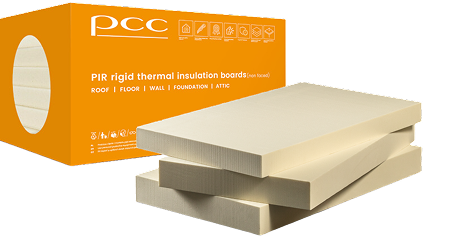
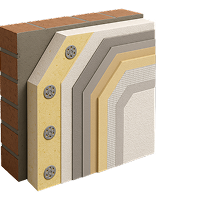
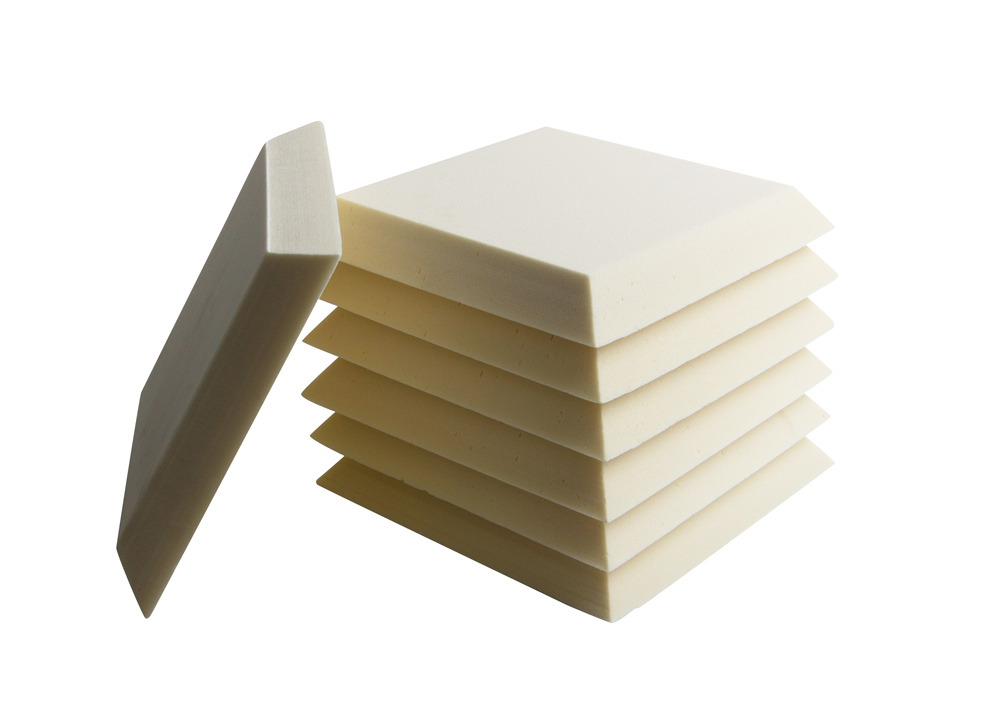
EUROPIR<sup>®</sup> ETICS board for wall insulation

EUROPIR ® ETICS board for wall insulation

Lambda 0.023–0.025 W/mK
Thickness 20–200 mm
Application wall, ETICS system
Compare
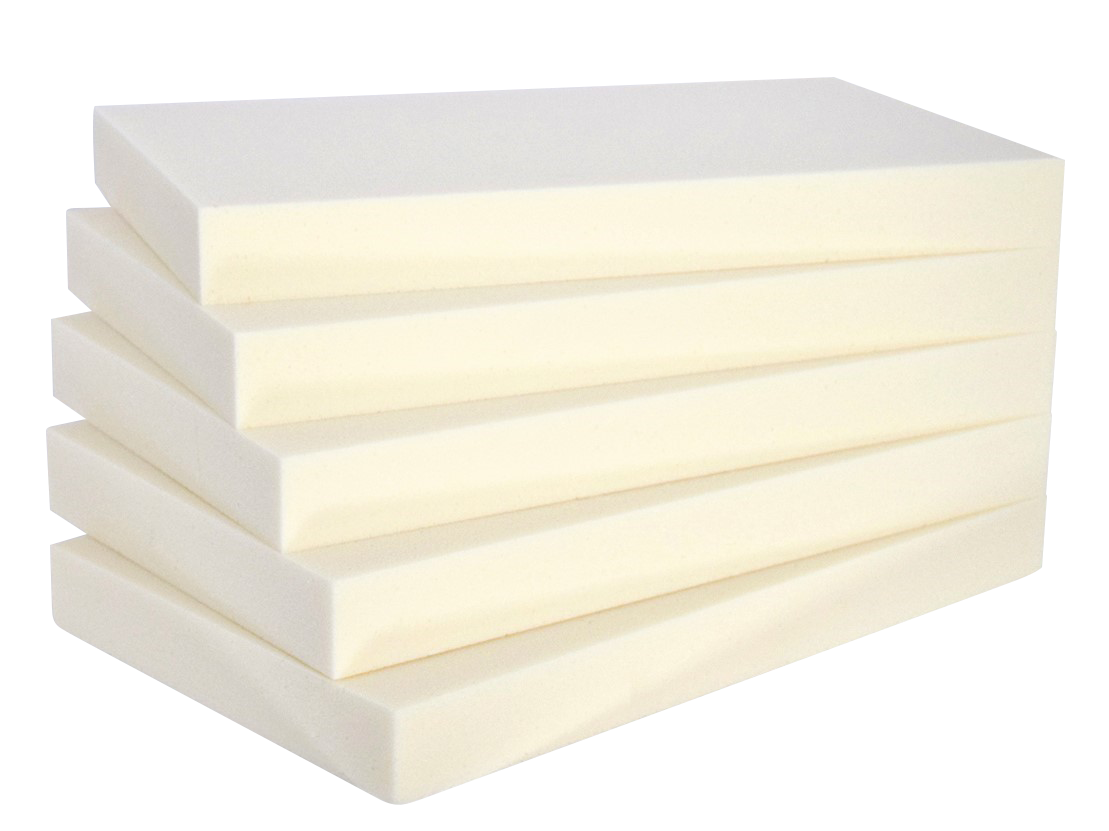
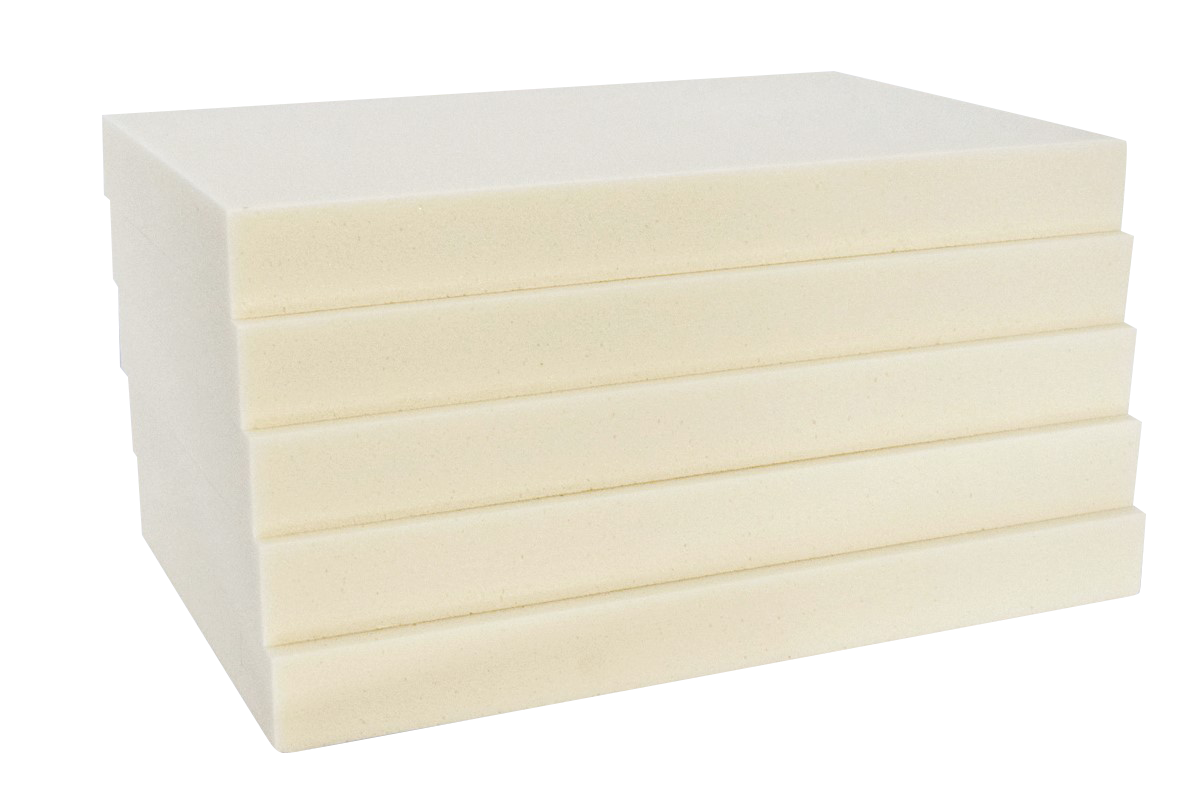
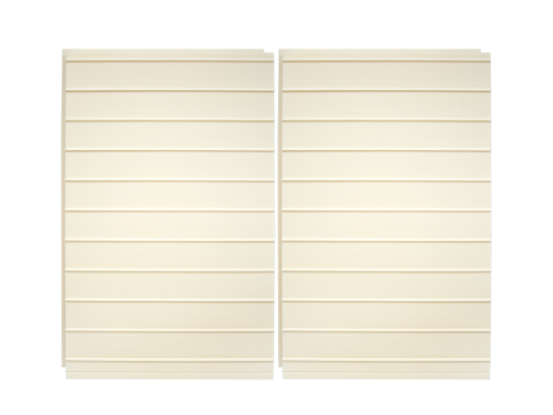
EUROPIR<sup>®</sup> STANDARD board for insulating ceilings, foundations and roofs

EUROPIR® STANDARD board for insulating ceilings, foundations and roofs

Lambda 0.023–0.025 W/mK
Thickness 20–200 mm
Application ceiling, foundation, roof
Compare
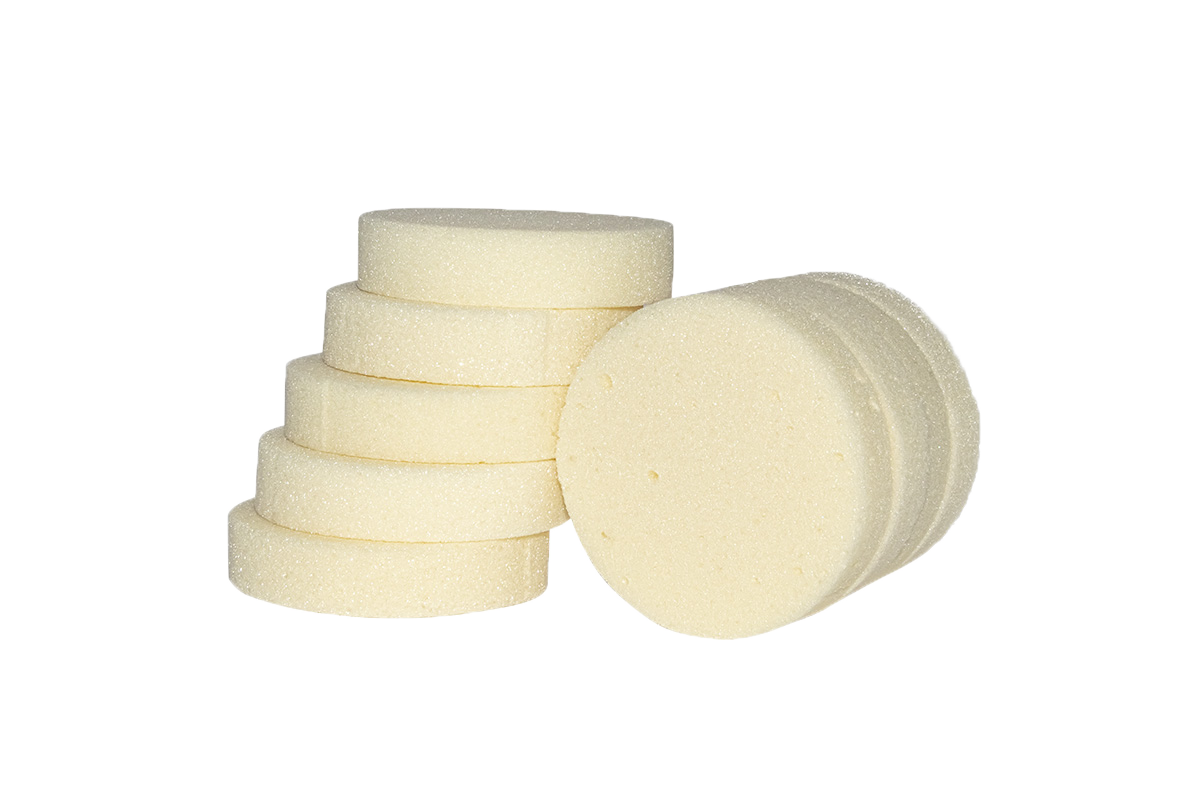
EUROPIR<sup>®</sup> CAPS caps for insulating mechanical connectors

EUROPIR® CAPS caps for insulating mechanical connectors

Lambda ND
Thickness 65, 67, 70 millimetres
Application external wall
Compare
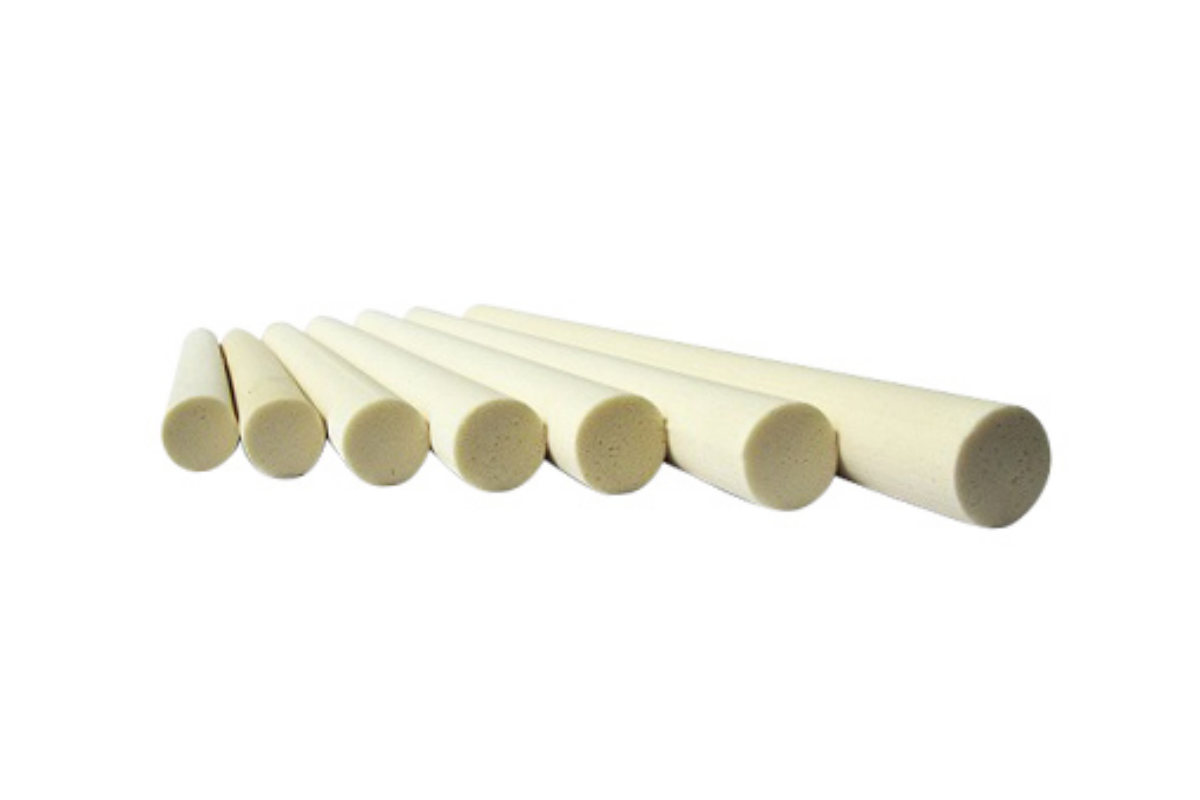
EUROPIR<sup>®</sup> TUBE plugs for insulating mechanical connectors

EUROPIR®TUBE plugs for insulating mechanical connectors

Lambda ND
Thickness 65, 67, 70 millimetres
Application external wall
Compare
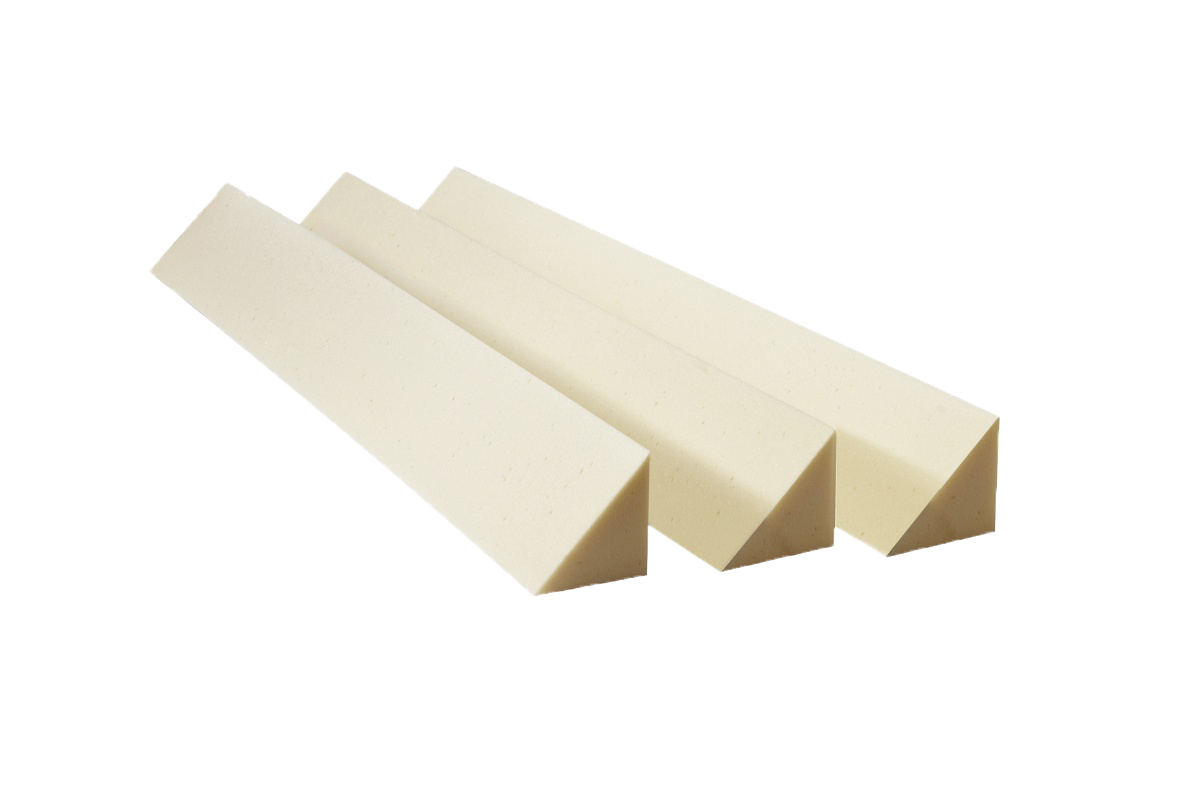
EUROPIR<sup>®</sup> KL fittings for flat roof insulation

EUROPIR® KL fittings for flat roof insulation

Lambda ND
Thickness Product made to order
Application flat roof, balcony, terrace
Compare
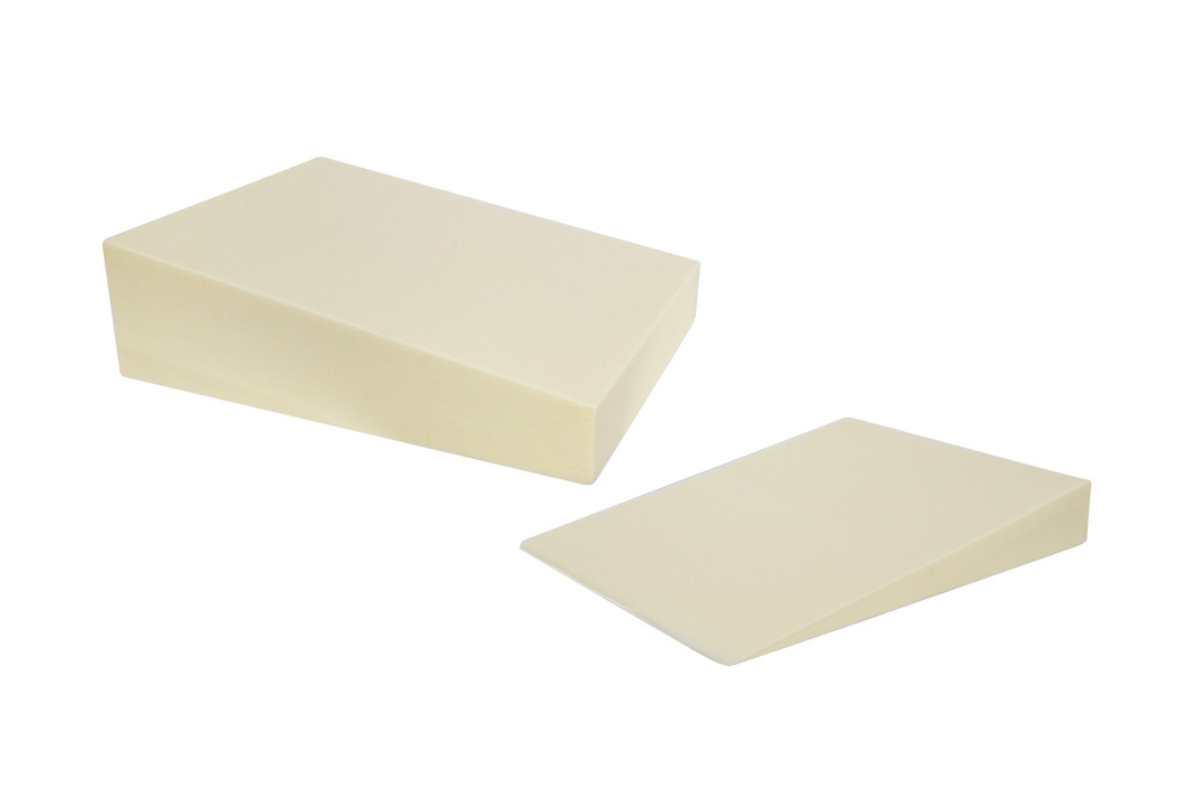
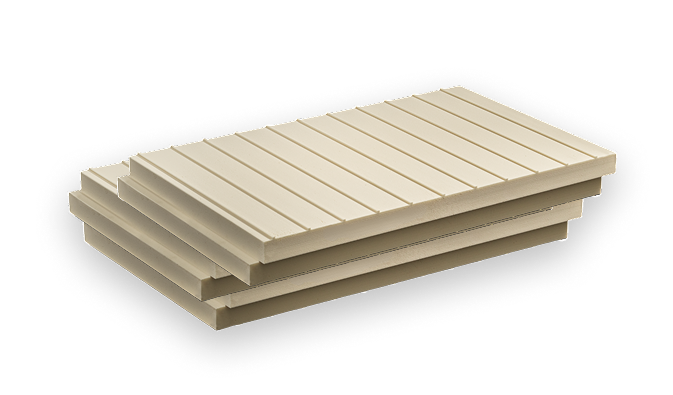
EUROPIR<sup>®</sup> SL sloping boards for terrace and roof insulation

EUROPIR® SL sloping boards for terrace and roof insulation

Lambda 0.023–0.025 W/mK
Thickness up to 600 mm
Application flat roof, balcony, terrace
Compare
Special shapes, insulation, rigid PIR foam fillings

Special shapes, insulation, rigid PIR foam fillings

Lambda ND
Thickness Product made to order
Application OEM, technical insulation
Compare
EUROPIR<sup>®</sup> DUAL board for insulating facades with clinker tiles

EUROPIR® DUAL board for insulating facades with clinker tiles

Lambda 0.023–0.025 W/mK
Thickness 50–200 mm
Application wall, partition wall
Compare

DO YOU HAVE ANY QUESTIONS?

See what customers ask about most often

Polyurethane is currently the fifth most commonly used plastic in the world. It is used in numerous industries, from footwear, furniture, electronics, automotive, and even construction. In the latter, it is primarily used as a thermal insulation material in the form of panels or spray foam. Its versatility stems from the ability to vary its properties within a wide range by modifying its composition and manufacturing process.

Yes. Polyurethanes are materials that are safe for health and the environment. PIR boards do not contain formaldehyde or other harmful substances. They are resistant to fungi and mould and do not provide a food source for rodents.

The cost of insulation using PIR boards without cladding may initially be higher than traditional materials, but thanks to their superior insulating properties, a thinner layer of insulation can be used, which translates into long-term savings.

Thermal resistance is one of three values that determine the thermal insulation of a building partition. Calculating thermal resistance requires knowledge of the lambda coefficient and the thickness of the material. Formula: R = d/λ, where d is the thickness in metres and λ is the thermal conductivity coefficient.

Thermal resistance R characterises a material of a specific thickness and is equal to the quotient of the material thickness and the thermal conductivity coefficient lambda. The unit of thermal resistance is (m²·K)/W. When selecting insulation material, thermal resistance R is more important than the lambda coefficient itself, as it takes into account the thickness of the material.