

Knowledge base

Are you looking for practical advice on thermal insulation and modern building systems? Our Knowledge Base is your source of reliable information about PIR thermal insulation boards, their applications and advantages. We answer the most frequently asked questions from investors and contractors – simply, concisely and with expert knowledge.

Knowledge base
6 March 2026
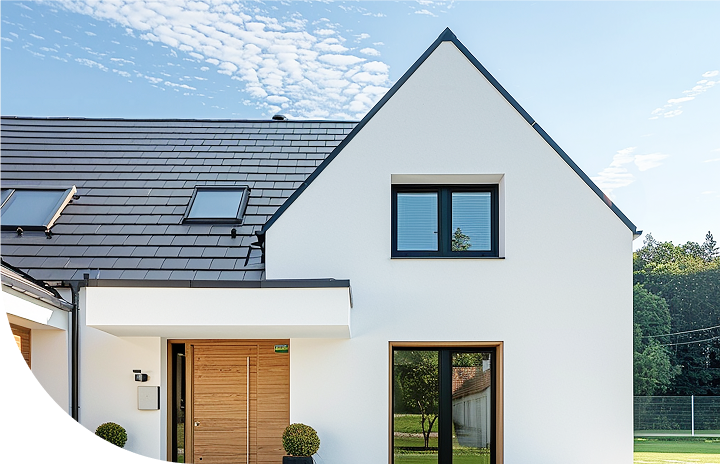
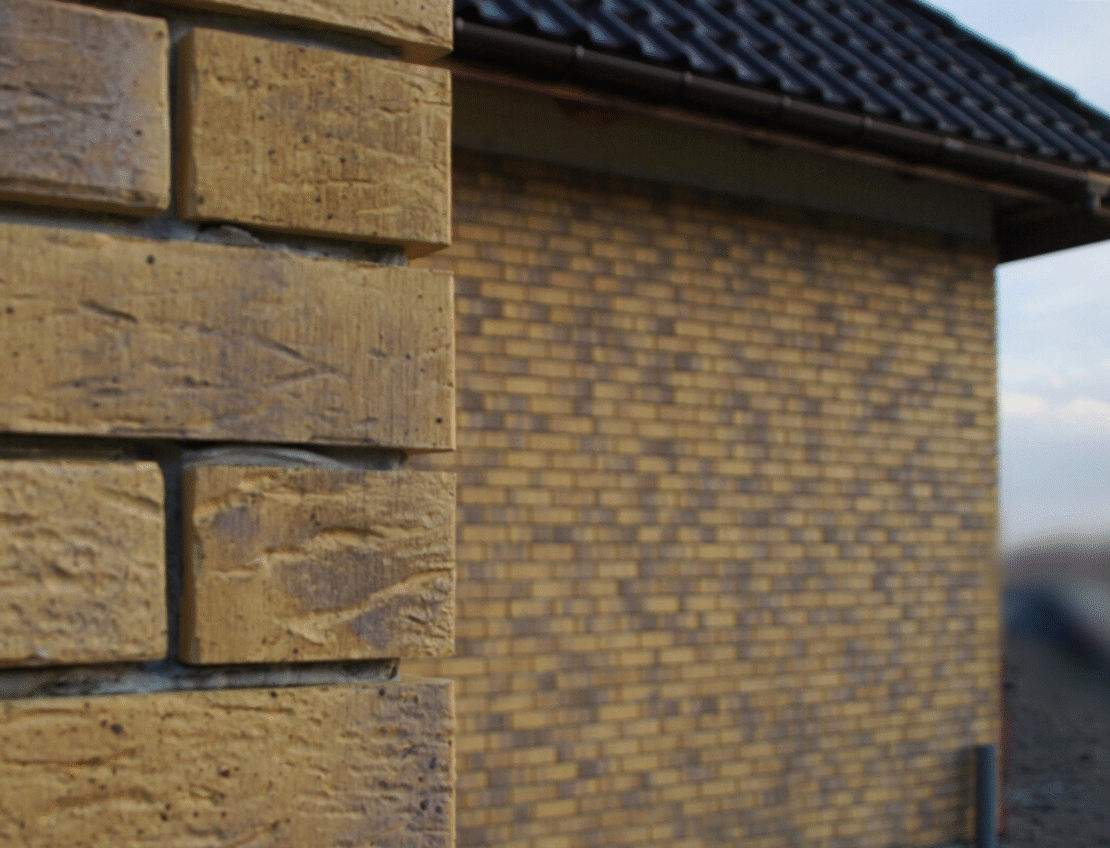
EUROPIR® DUAL thermal insulation board for clinker brick facades
The EUROPIR® DUAL thermal insulation board is an innovative product that combines rigid PIR foam without cladding, designed specifically for insulating facades finished with clinker tiles. Specially designed mounting guides…
Read more
EUROPIR w Systemie ETICS – rozwiązania dla efektywnego ocieplenia
6 March 2026
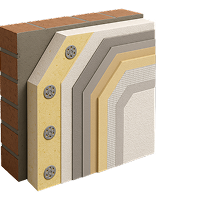
EUROPIR in the ETICS System – solutions for effective insulation
  In view of growing requirements for energy efficiency and living comfort, the right choice and proper installation of a building insulation system is becoming crucial. Both in newly constructed…
Read more
6 March 2026
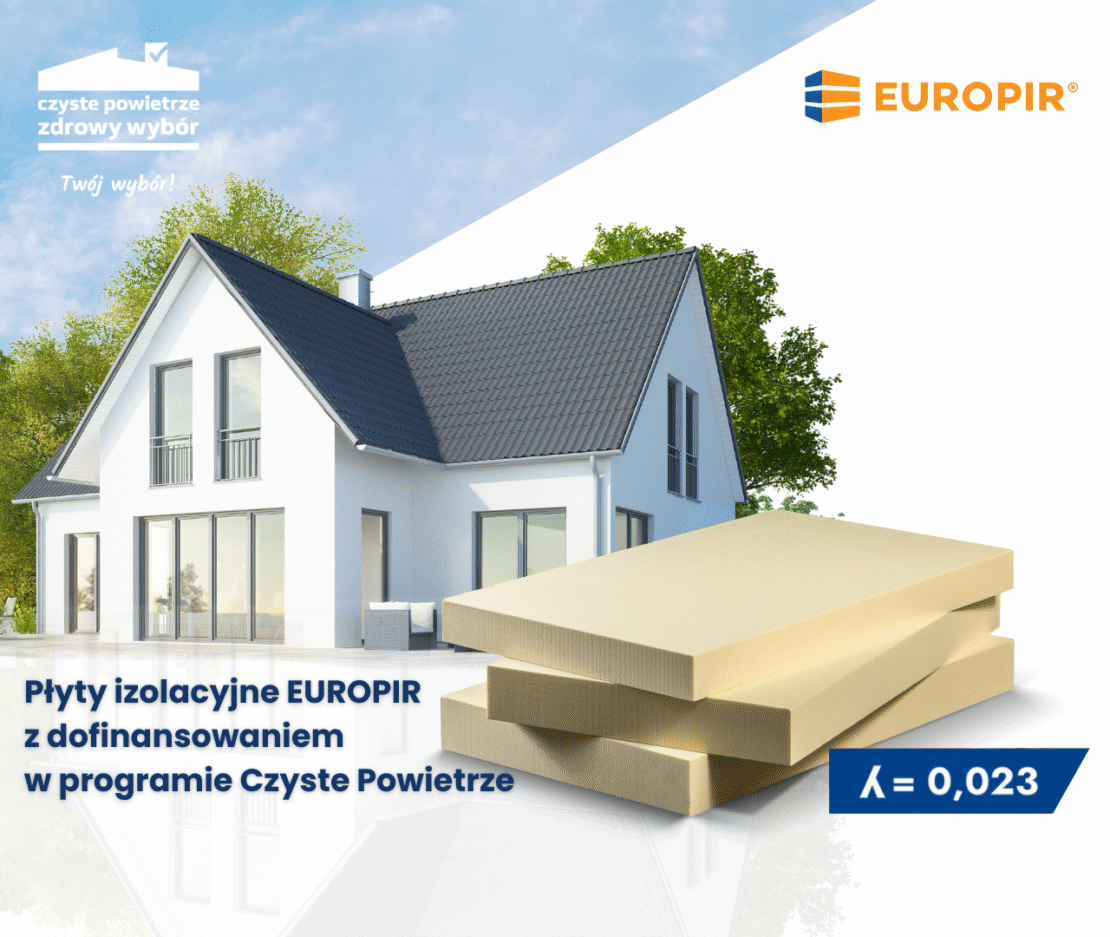
Clean Air Programme – thermal modernisation of a house with EUROPIR panels
In the face of rising energy costs and energy regulations, thermal modernisation of your home is becoming crucial. By choosing EUROPIR® PIR boards, you are not only investing in comfort…
Read more
Calculator Background

Useful tools

CALCULATOR THICKNESS

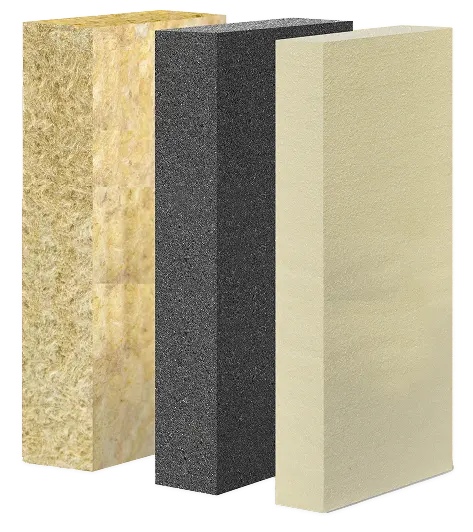
EUROPIR® boards are distinguished by their very low declared thermal conductivity coefficient (λd). This feature makes it possible to achieve the legally required heat transfer coefficient (U) of a building partition using a significantly thinner layer of insulation.
Read more
Kalkulator zdjęcie
Mineral Wool
λd = 0.040 (20 cm)
EPS polystyrene foam
λd = 0.033 (16.5 cm)
EUROPIR® board
λd = 0.023 (12 cm)

Do you have any questions?

See what customers ask most often

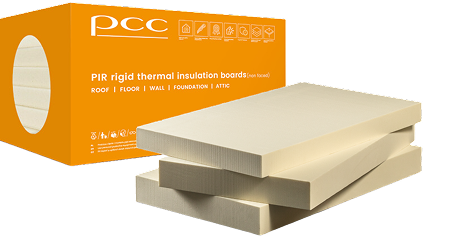
PIR board is a new generation polyisocyanurate foam board based on polyurethane chemistry. Thanks to a special catalyst, additional isocyanurate bonds are formed in the structure of the material, which are very thermally stable. PIR is characterised by very good thermal insulation properties combined with thermal resistance and limited flammability.

Compressive strength is a mechanical property of a material that characterises its ability to transfer compressive loads. It is the compressive stress at which the material deforms by a specified amount (usually 10% of the sample height). According to the standard, compressive strength is determined by compressing the sample in a direction parallel to the surface of the board (in the direction of thickness). Compressive strength should not be confused with compressive strength.

The most important application of PIR boards without cladding is thermal insulation of external walls in ETICS thermal insulation systems. Boards without cladding allow for perfect adhesion of the adhesive to the entire surface of the board. This allows loads to be transferred from the outer layer to the building's supporting structure through the insulation board. In addition, unclad PIR boards are ideal for thermal insulation on the inside of structures in contact insulation of walls, ceilings or roofs. In such applications, the boards are usually fixed mechanically using expansion plugs or screws. Unclad PIR boards can also be used in seamless insulation. In such cases, the boards are welded together by welding the edges using a special electric PIR welding machine or by foaming the joints with a special single-component polyurethane foam.

The acronyms PUR and PIR stand for polyurethane foam and polyisocyanurate foam, respectively. Both foams are based on polyurethane chemistry, but PIR has a higher content of isocyanurate bonds in its macromolecular structure than PUR. The higher content of these bonds gives PIR better mechanical properties at elevated temperatures, as well as better fire properties. The isocyanurate contained in PIR is converted into carbon when exposed to heat. This process is called charring. The carbon produced by the decomposition of isocyanurate acts as a thermal barrier, effectively slowing down the further transfer of heat into the material.

The standard dimensions of PIR boards manufactured at PCC Therm, without cladding and with aluminium cladding, are 1200 x 600 mm. The boards are manufactured in thicknesses ranging from 20 mm to 300 mm in 10 mm increments, as well as in thicknesses of 25, 35, 45, 55, 65, 75, 85 and 95 mm. It is also possible to manufacture boards in non-standard thicknesses and dimensions.

files to download

Baza wiedzy
EUROPIR® product technical data sheets
Pobierz
Baza wiedzy
Catalogues
Pobierz
Baza wiedzy
Terms and conditions of sale
Pobierz